
Charitable Organizations
The firm has experience consulting with organizers, fiduciaries, and managers in the formation, governance, and tax compliance of tax-exempt charitable organizations in Boca Raton, Florida. Charitable organizations are not-for-profit entities granted exemption by the Internal Revenue Service from U.S. federal income tax under Section 501(c)(3) of the Internal Revenue Code, including churches, benevolence organizations, animal welfare agencies, educational organizations, and the like.
Formation, governance documents and state filings
Federal tax-exempt status and what keeps it
The CPA + Attorney Advantage
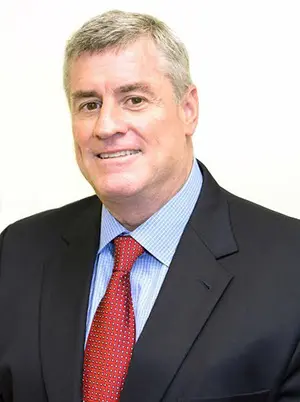
Why Choose Peter for Charitable Organizations
Charitable organizations have strict federal income tax compliance mandates because of their tax-exempt status. There is a complex regulatory regime that must be navigated, particularly for private foundations. Peter's combined legal and CPA expertise is essential for ensuring your charitable organization maintains its tax-exempt status while fulfilling its mission. His understanding of both the legal framework and the financial compliance requirements makes him uniquely positioned to guide charitable organizations.
Who This Helps
- Organizers forming new tax-exempt charitable organizations
- Private foundations needing governance and compliance counsel
- Public charities seeking to maintain their tax-exempt status
- Donors establishing charitable giving structures
- Nonprofits applying for 501(c)(3) status
- Existing charitable organizations needing ongoing compliance guidance
When You Need This Service
- You want to establish a tax-exempt charitable organization and need guidance on the application process
- You need help determining whether your organization should be structured as a private foundation or public charity
- Your private foundation needs help navigating the heightened regulatory tax regime
- You want to ensure your public charity maintains its tax-exempt status by meeting public support requirements
- You need governance documentation for your charitable organization's board and operations
Process
How We Help You
Our step-by-step approach ensures thorough, efficient service.
Formation Consultation
We discuss your charitable objectives, funding sources, and activities to determine whether a private foundation or public charity structure is most appropriate.
Entity Formation
We form the nonprofit entity under state law and prepare the organizational documents required for tax-exempt status.
IRS Application
We prepare and file Form 1023, Application for Exempt Status Under Section 501(c)(3), documenting your organization's charitable function and rebutting the private foundation presumption if applicable.
Governance Setup
We establish governance structures, including board composition requirements, conflict of interest policies, and operational procedures.
Compliance Monitoring
We provide ongoing guidance on maintaining tax-exempt status, public support tests, prohibited transactions, and annual reporting requirements.
Questions
Frequently Asked Questions
Common questions about charitable organizations.
What is the difference between a private foundation and a public charity?
What are the tax benefits of establishing a charitable organization?
What compliance requirements apply to private foundations?
How does a public charity maintain its status?
Related
Related Services
Business Formation
LegalEntity choice, operating and shareholder agreements
TaxPartnership, S corporation or C corporation treatment
Corporate Governance
LegalBoard, member and shareholder decisions, properly documented
TaxHow distributions, compensation and buyouts are taxed
Corporate Transactions
LegalPurchase agreements, due diligence and closing
TaxAsset or stock sale, and how the price is allocated
Contact
Need help with Charitable Organizations?
Schedule a free initial phone consultation to discuss your specific situation. Peter will assess your needs and recommend the best path forward.
(561) 210-86041200 N. Federal Hwy, Suite 200Boca Raton, FL 33432
Monday to Friday, 8 AM to 6 PM. Weekends by appointment.